The construction industry, known for its significant carbon footprint, is increasingly exploring innovative ways to mitigate its environmental impact. One such method involves the integration of biochar, a form of charcoal produced through the pyrolysis of biomass, into the creation of concrete and asphalt. Biochar offers numerous environmental benefits, including the potential to create carbon-negative materials that can significantly reduce the construction sector’s greenhouse gas emissions.
The Role of Biochar in Concrete
Concrete is one of the most widely used materials in construction, yet it is also one of the largest contributors to CO2 emissions globally. Traditional cement production is energy-intensive, emitting vast quantities of carbon dioxide. By incorporating biochar into concrete, however, the carbon footprint of this ubiquitous material can be drastically reduced.
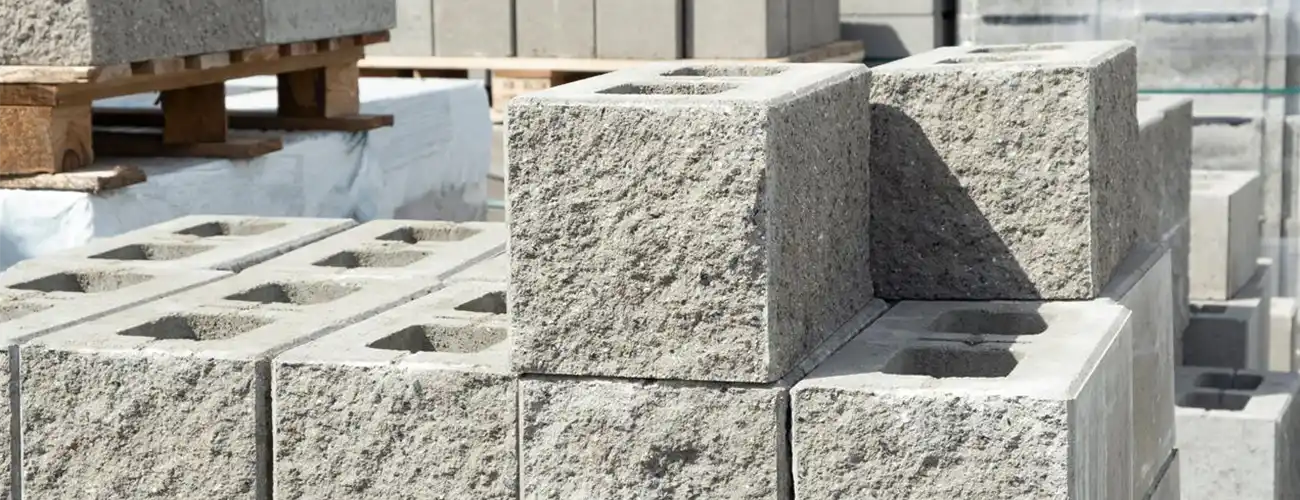
Biochar produced from biochar pyrolysis equipment, when added to concrete mixtures, acts as a carbon sink. This process effectively locks away carbon that would otherwise be released into the atmosphere. Studies have shown that incorporating biochar into concrete not only reduces CO2 emissions but can also improve the material’s properties, including its thermal conductivity, durability, and resistance to chemical degradation.
Biochar in Asphalt
Similarly, asphalt production is another area where biochar is gaining traction. Asphalt, which is primarily used for road construction, relies heavily on petroleum-based products, contributing to high carbon emissions. By incorporating biochar into asphalt mixtures, the industry can reduce its reliance on petroleum and create a more sustainable alternative.
The addition of biochar to asphalt has been shown to improve its strength and longevity, making it a viable option for enhancing the performance of road surfaces. Additionally, the carbon sequestration properties of biochar in asphalt mean that it helps reduce the overall carbon footprint of road infrastructure projects.
Biochar Production and Pyrolysis Technology
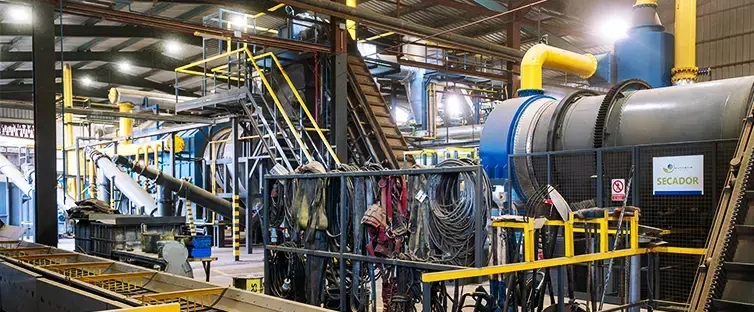
The process of producing biochar involves biomass pyrolysis, where organic materials such as agricultural residues or wood chips are heated in the absence of oxygen. The resulting product, biochar, can then be utilized in various applications, including in the construction of carbon-negative concrete and asphalt.
Biochar production equipment for sale, such as biochar pyrolysis equipment and biochar reactors, play a crucial role in ensuring the efficient production of biochar. The design of the biochar reactor is particularly important in optimizing the pyrolysis process, as the right conditions—temperature, pressure, and retention time—are essential for producing high-quality biochar that meets industry standards.
A well-designed biomass pyrolysis reactor not only maximizes the yield of biochar but also ensures that the process is environmentally responsible. These reactors are designed to minimize emissions and waste, further contributing to the sustainability of biochar production.
Environmental and Economic Benefits
Incorporating biochar made from biomass pyrolysis reactor into construction materials offers both environmental and economic benefits. From an environmental perspective, biochar’s ability to sequester carbon for long periods helps mitigate climate change. The carbon negative potential of biochar-infused concrete and asphalt means that these materials can play a pivotal role in meeting global carbon reduction targets.
Economically, the use of biochar in construction can reduce material costs in the long run by increasing the longevity and performance of concrete and asphalt. Moreover, biochar’s ability to be produced from waste biomass, such as agricultural or forestry residues, makes it a cost-effective and sustainable resource for the construction industry.
Conclusion
The incorporation of biochar into concrete and asphalt represents a significant step toward more sustainable construction practices. By using a biochar reactor design to produce high-quality biochar, the industry can reduce its carbon emissions while improving the performance of its materials. As biochar continues to gain recognition for its carbon-negative properties, its role in creating sustainable infrastructure is becoming increasingly essential for achieving long-term environmental goals.