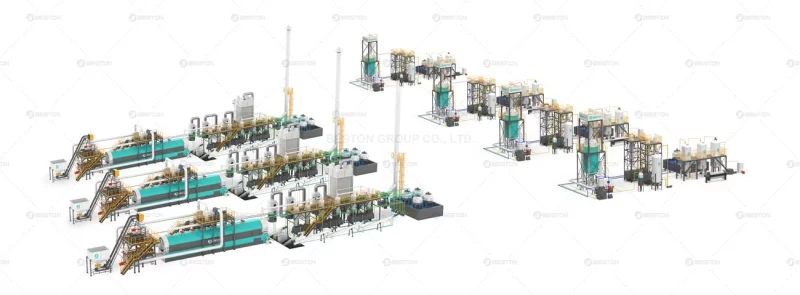
The global renewable energy market is gradually expanding beyond traditional sources such as solar, wind, and hydropower. Advanced waste-to-energy technologies are becoming an important component of the sustainable energy transition. Among these technologies, the plastic pyrolysis plant is gaining increasing attention because it provides a practical pathway for converting difficult-to-recycle plastic waste into valuable resources, including pyrolysis oil, synthetic gas, and carbon materials.
As governments strengthen waste management regulations and industries seek alternative energy solutions, plastic pyrolysis technology is expected to become a significant contributor to the circular economy. The future development of this sector will be shaped by technological innovation, operational efficiency, and integration with emerging renewable energy systems.
Advanced Reactor Technology and Process Optimization
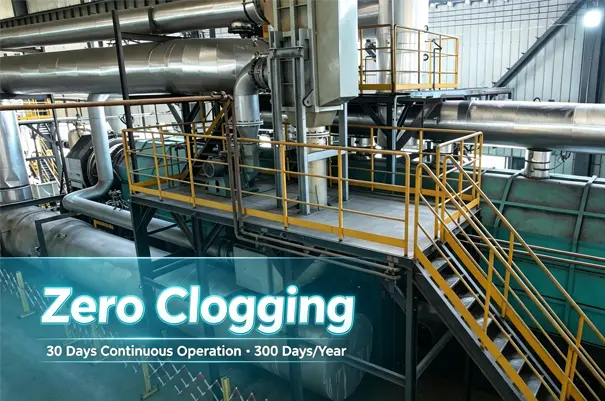
The core component of a plastic pyrolysis system is the pyrolysis reactor, which determines processing efficiency, thermal stability, and product quality. Future reactors will focus on improved heat transfer mechanisms, intelligent temperature regulation, and optimized residence time control.
Traditional heating methods are gradually being replaced by advanced thermal management technologies, including multi-zone heating systems and energy recovery configurations. These improvements can reduce fuel consumption while maintaining stable pyrolysis conditions. In addition, automated monitoring systems using sensors and digital control platforms will allow operators to adjust parameters in real time, improving safety and production consistency.
Future plastic pyrolysis machines are also expected to adopt modular designs. Modular equipment allows businesses to expand processing capacity according to feedstock availability and market demand. This flexibility is particularly valuable in regions where plastic waste generation is increasing but centralized recycling infrastructure remains limited.
Growing Demand for Plastic-to-Fuel Solutions
The increasing demand for alternative fuels is one of the primary drivers behind the development of plastic pyrolysis technology. A plastic pyrolysis machine can transform polyethylene, polypropylene, and other waste plastics into fuel-like products through controlled thermal decomposition.
Unlike conventional waste disposal methods, pyrolysis enables resource recovery while reducing landfill dependency. The produced pyrolysis oil can be further refined for industrial fuel applications or upgraded into higher-value chemical feedstock. This process represents a transition from waste elimination toward resource regeneration.
Market interest in plastic-to-energy solutions is also influenced by economic considerations. Businesses evaluating investment opportunities often analyze the plastic pyrolysis machine price based on processing capacity, automation level, energy consumption, and expected product output. As manufacturing technology matures, equipment costs are expected to become more competitive, allowing more small and medium-scale enterprises to participate in plastic recycling projects.
Integration with Renewable Energy Infrastructure
A significant future trend is the combination of plastic pyrolysis machine with renewable energy systems. Hybrid facilities may utilize solar power, biomass energy, or recovered pyrolysis gas to improve overall energy efficiency. This integrated approach creates a more sustainable operational model by reducing external energy dependence.
In advanced industrial parks, plastic pyrolysis systems may operate alongside waste sorting facilities, chemical plants, and fuel production units. Such industrial symbiosis can maximize resource utilization and create interconnected value chains. The concept moves beyond simple waste treatment and develops into a comprehensive resource recovery ecosystem.

Cost Reduction and Market Expansion
Economic accessibility will remain a key factor influencing global adoption. The plastic to fuel machine price varies depending on reactor design, production capacity, automation features, and emission control systems. Future equipment manufacturers will focus on improving manufacturing efficiency and simplifying maintenance requirements to reduce lifecycle costs.
Emerging markets are expected to provide substantial growth opportunities. Many developing countries face increasing plastic waste challenges while experiencing rising energy demand. A properly designed pyrolysis plant can address both issues by converting local waste streams into usable energy resources.
Environmental Compliance and Carbon Management
Future plastic pyrolysis development will also be closely connected with carbon reduction strategies. Advanced emission treatment systems, improved gas recycling technology, and cleaner production methods will become essential features of modern equipment.
As carbon accounting frameworks become more widespread, pyrolysis projects may gain additional value through measurable environmental benefits. The ability to recover resources from plastic waste while reducing landfill emissions supports global sustainability targets and strengthens the role of pyrolysis within the renewable energy landscape.
Overall, the future of plastic pyrolysis plants will be defined by technological advancement, economic optimization, and deeper integration with circular energy systems. With continuous improvements in reactor efficiency, automation, and environmental performance, plastic pyrolysis technology is positioned to become a crucial solution for managing plastic waste and developing alternative energy resources worldwide.