As global efforts to mitigate climate change intensify, carbon sequestration has become a critical component of sustainable environmental management. Among various carbon capture strategies, biochar production has gained significant attention due to its ability to convert biomass waste into a stable form of carbon. Advanced biochar production equipment enables this transformation efficiently, creating opportunities for long-term carbon storage while generating valuable products for agricultural and industrial applications. Through technological innovation and optimized thermal conversion processes, biochar production systems are playing an increasingly important role in reducing atmospheric carbon concentrations.
Understanding Carbon Sequestration Through Biochar
Carbon sequestration refers to the process of capturing and storing atmospheric carbon dioxide to prevent its release into the atmosphere. Plants naturally absorb carbon dioxide through photosynthesis, incorporating carbon into their biomass. When agricultural residues, forestry waste, or other organic materials decompose naturally, much of this carbon returns to the atmosphere as carbon dioxide or methane.
Biochar reactor for sale interrupts this cycle. By converting biomass into biochar through controlled pyrolysis, a significant portion of the carbon is stabilized within a highly recalcitrant structure. This stable carbon can remain stored in soils for decades or even centuries, providing a practical mechanism for long-term carbon sequestration.
The Role of Biomass Carbonization Technology
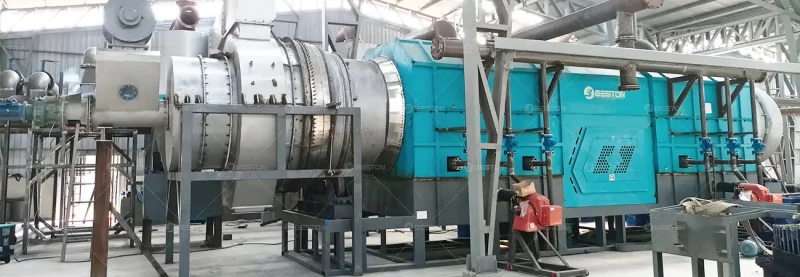
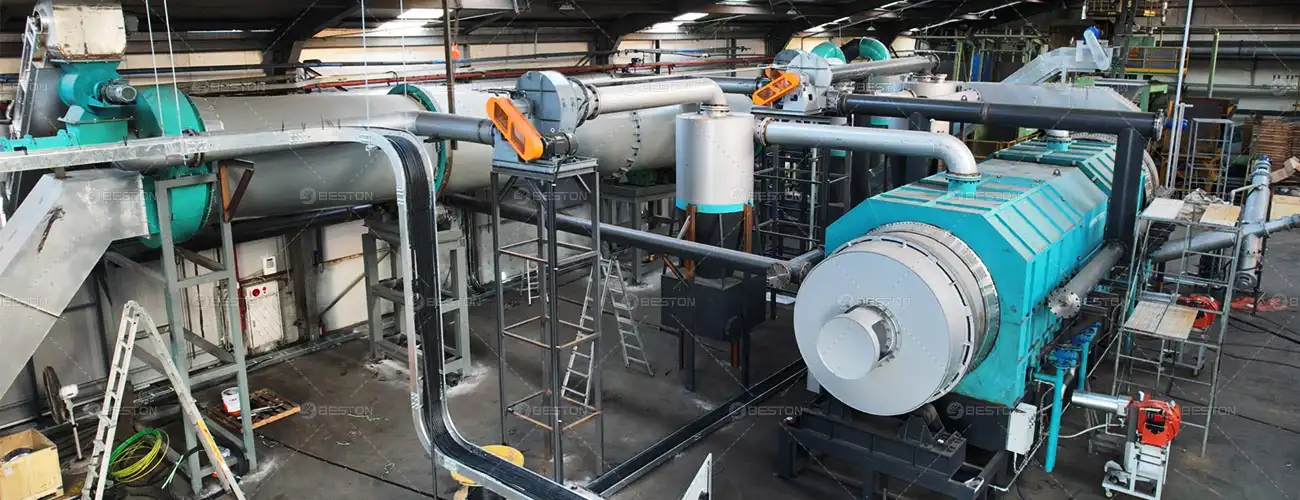
A biomass carbonization machine serves as the core technology behind efficient biochar production. During operation, biomass feedstocks are subjected to elevated temperatures under oxygen-limited conditions. Rather than complete combustion, the material undergoes thermochemical decomposition, producing biochar, combustible gases, and liquid by-products.
Modern biomass carbonization machine systems are designed to maximize carbon retention while minimizing energy consumption. Precise control over temperature profiles, residence time, and feedstock characteristics ensures consistent biochar quality and optimized carbon sequestration performance. These technological advancements have significantly improved the environmental value of biochar production.

Converting Waste Biomass into Stable Carbon
One of the most significant environmental advantages of biochar production equipment is its ability to transform waste into a carbon storage medium. Agricultural residues such as rice husks, corn stalks, coconut shells, wood chips, and sawdust can all serve as suitable feedstocks.
Instead of allowing these materials to decompose or be openly burned, carbonization systems convert them into stable biochar. This process reduces greenhouse gas emissions associated with traditional waste disposal methods while creating a product that enhances soil fertility and water retention. As a result, biochar production contributes simultaneously to waste management, agricultural improvement, and climate mitigation.
Enhancing Carbon Storage in Agricultural Soils
Biochar functions as more than a carbon sink. Its porous microstructure improves soil physical and chemical properties. When incorporated into farmland, biochar increases water-holding capacity, promotes microbial activity, and enhances nutrient retention.
These characteristics create a synergistic relationship between carbon sequestration and agricultural productivity. Farmers can improve crop performance while contributing to long-term carbon storage. Consequently, biochar has become an important component of regenerative agriculture and sustainable land management initiatives worldwide.
Technological Advancements Supporting Carbon Sequestration
Continuous innovation is improving the efficiency and effectiveness of biochar production systems. Advanced automation platforms enable operators to monitor process parameters in real time, ensuring optimal carbonization conditions. Heat recovery systems capture excess thermal energy and redirect it back into the process, reducing external fuel requirements.
Growing market interest has also increased attention on factors such as charcoal machine price and overall return on investment. Manufacturers are developing equipment with higher efficiency and lower operating costs to improve project feasibility. Similarly, businesses searching for a biochar reactor for sale increasingly prioritize systems capable of delivering high carbon retention rates and stable product quality.
In some integrated biomass processing facilities, biochar production is combined with briquette manufacturing. This has led investors to evaluate equipment costs, including charcoal briquettes machine price, as part of broader biomass utilization strategies. Such integrated approaches enhance resource efficiency and support circular economy objectives.
Supporting Global Climate Goals
Many governments and environmental organizations recognize biochar as a promising negative-emission technology. Carbon markets and sustainability initiatives increasingly acknowledge the climate benefits associated with long-term biochar application. As verification methodologies improve, biochar projects may generate additional economic value through carbon credits and environmental incentives.
The scalability of modern biochar production equipment further strengthens its contribution to climate action. Facilities ranging from small agricultural operations to large industrial installations can participate in carbon sequestration efforts while creating commercially valuable products.
Conclusion
Biochar production equipment plays a vital role in advancing carbon sequestration by converting biomass waste into stable carbon-rich material. Through the use of advanced biomass carbonization machine technology, organic residues can be transformed into biochar that stores carbon for extended periods while improving soil health and agricultural productivity. As demand for sustainable climate solutions continues to grow, innovations in biochar production systems, investment considerations such as charcoal machine price, the availability of a biochar reactor for sale, and evaluations of charcoal briquettes machine price will remain important factors supporting the widespread adoption of this environmentally beneficial technology.