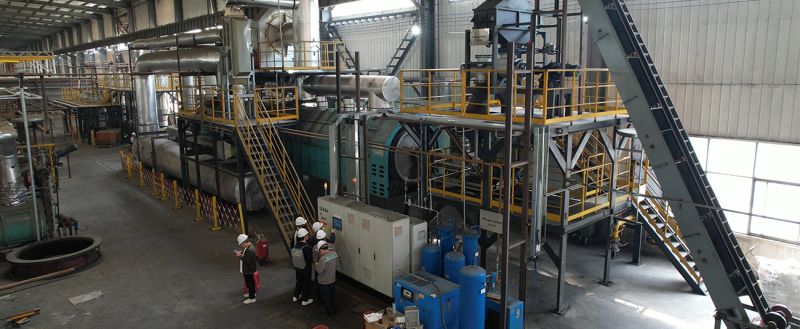
Moisture content is a critical feedstock parameter in pyrolysis because water must be heated and evaporated before significant thermal decomposition can occur. Although moisture does not participate directly in the primary pyrolysis reaction in the same manner as hydrocarbons, its presence can substantially alter the plant’s thermal balance, residence time, throughput, and product yield. Proper moisture control is therefore essential for maintaining stable operation and predictable output.
Moisture Increases the Thermal Load
The first effect of excess moisture is higher energy consumption. Before a wet feedstock reaches its target pyrolysis temperature, the contained water must be warmed to its boiling point and converted into vapor. This consumes sensible and latent heat that would otherwise be available for the decomposition of organic matter.
In a plastic to oil plant, this distinction is particularly important because the feedstock is expected to contain predominantly polymeric material. Water entering with plastic waste can dilute the effective organic throughput while increasing the heat duty required by the reactor. The additional vapor also occupies process volume, potentially affecting gas flow and condensation behavior.
A simplified thermal balance can be expressed as:
Total heat demand = feedstock heating + water evaporation + reaction heat + system heat losses
As moisture rises, the evaporation component becomes increasingly significant. Consequently, a plant may require more fuel or internally generated process gas to maintain the designated reactor temperature.
Impact on Pyrolysis Temperature and Reaction Stability
Pyrolysis depends on controlled heat transfer. Excess moisture can temporarily suppress the temperature of incoming material, creating a thermal lag between the reactor wall and the feedstock. If the heating system cannot compensate adequately, the effective reaction temperature may fluctuate.
This can influence the cracking of long-chain hydrocarbons and alter vapor generation. In a continuous plastic pyrolysis plant, where feeding, heating, vaporization, and condensation occur concurrently, inconsistent moisture levels can make process control more difficult. Stable feed preparation helps maintain a more consistent thermal profile and reduces abrupt variations in vapor production.
Moisture can also increase the quantity of water vapor passing through downstream equipment. This may affect condensation characteristics and impose additional requirements on gas-liquid separation.
Moisture and Product Yield
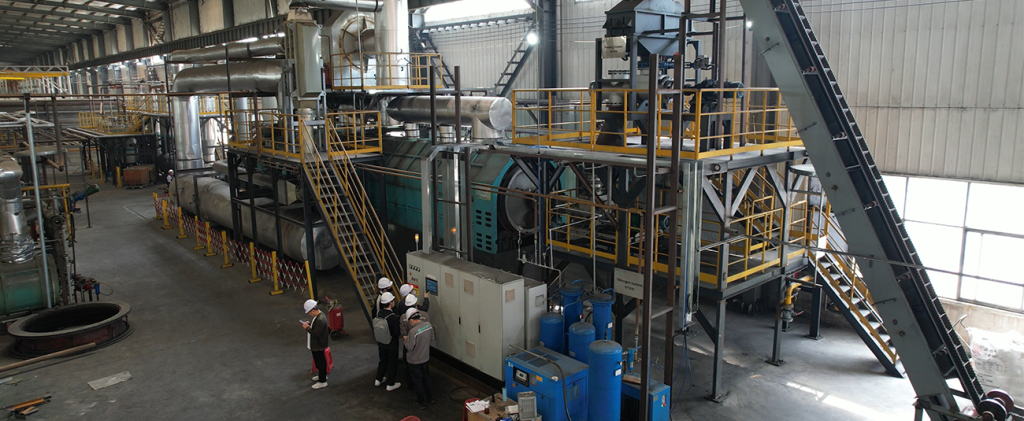
Feedstock moisture affects output not only through energy consumption but also through the apparent productivity of the plant. A tonne of wet material contains less dry organic matter than a tonne of properly conditioned material. Therefore, comparing oil yield solely on a wet-weight basis can produce misleading results.
For example, if two batches have identical wet-feed masses but different moisture levels, the wetter batch contains less combustible material available for conversion. Its measured oil yield per tonne of incoming feed may consequently appear lower even when the underlying conversion efficiency remains relatively stable.
For commercial projects, feedstock analysis should therefore distinguish between wet-basis mass and dry-basis mass. This provides a more meaningful basis for evaluating actual conversion performance.
Moisture Control in Different Thermal Systems
Moisture management is not limited to pyrolysis reactors. In some waste-treatment applications, thermal desorption equipment also requires careful consideration of feed moisture because evaporation consumes considerable thermal energy before contaminants or hydrocarbons can be effectively desorbed.
The appropriate moisture threshold depends on feedstock composition, reactor configuration, heating method, and target product. Plastic feedstocks generally benefit from preprocessing that removes surface water and minimizes uncontrolled moisture ingress. Oil sludge and other wet materials may require dedicated dewatering or pretreatment before thermal processing.
Feedstock Preparation Improves Energy Efficiency
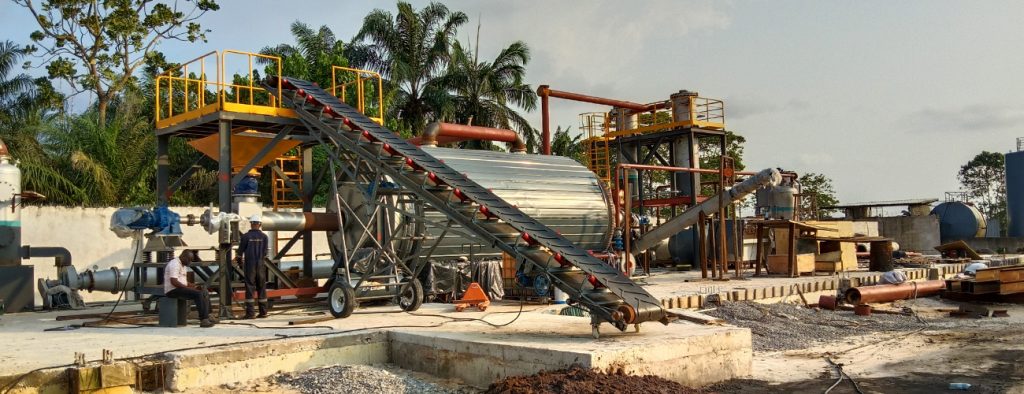
A pyrolysis plant for sale should therefore be evaluated not only by reactor capacity and quoted oil yield but also by its feedstock requirements and thermal integration strategy. Drying, heat recovery, insulation, and combustion-gas utilization can all influence the actual energy intensity of operation.
For large-scale facilities, recovered process heat can potentially support feedstock drying, reducing dependence on external fuel. The objective is straightforward: minimize the amount of useful reactor heat consumed by water while maximizing the fraction directed toward organic conversion.
Moisture is consequently more than a feedstock specification. It is a variable that directly connects energy consumption, reactor stability, throughput, and product output. Consistent moisture control provides a more predictable thermal environment, allowing the pyrolysis system to operate closer to its intended process conditions.